In today’s fast-paced world, chronic illnesses have become increasingly common, affecting millions of people globally. Managing these long-term conditions requires more than just medication — it demands a holistic approach that focuses on education, prevention, and lifestyle management. This is where a condition management program plays a crucial role in supporting individuals living with chronic diseases, ensuring better health outcomes and improved quality of life.
What is a Condition Management Program?
A condition management program is a teleradiology services in india structured healthcare initiative designed to help individuals manage chronic health conditions such as diabetes, hypertension, heart disease, asthma, arthritis, and other long-term illnesses. These programs combine medical expertise, health education, personalized care plans, and continuous support to empower patients to take control of their health.
Unlike traditional treatment models that often focus on reactive care, condition management programs emphasize proactive measures to prevent complications, reduce hospitalizations, and promote self-care. They aim to enhance patient understanding of their condition and encourage healthier lifestyle choices, ultimately leading to improved well-being.
Why is Condition Management Essential?
Chronic diseases often progress slowly and can significantly impact daily life if not managed properly. Without regular monitoring, education, and preventive care, these conditions can worsen, leading to complications, disability, and even premature death.
This is why condition management has become a vital component of modern healthcare:
- Prevention of Complications: Regular monitoring and early intervention help prevent the condition from deteriorating.
- Empowerment through Education: Educating patients about their condition enables them to make informed decisions and adopt healthier habits.
- Better Treatment Adherence: Continuous support improves medication adherence and treatment effectiveness.
- Reduced Healthcare Costs: By minimizing emergency visits and hospital admissions, condition management reduces the financial burden on patients and healthcare systems.
- Improved Quality of Life: With proper management, individuals can lead active, fulfilling lives despite living with a chronic condition.
Key Components of an Effective Condition Management Program
An effective condition management program typically includes:
- Personalized Health Assessments: Understanding the patient’s medical history, lifestyle, and health status to create a tailored care plan.
- Health Education: Providing reliable information about the condition, symptoms, potential complications, and self-management strategies.
- Lifestyle Modification Support: Encouraging healthy eating, regular physical activity, stress management, and other lifestyle changes.
- Medication Management: Ensuring patients take medications correctly and addressing any concerns or side effects.
- Ongoing Monitoring: Regular check-ups, health tracking, and early detection of warning signs.
- Behavioral and Emotional Support: Offering counseling and resources to help patients cope with the emotional challenges of living with a chronic condition.
- Technology Integration: Using digital tools, mobile apps, and telemedicine to enhance accessibility and provide real-time support.
Technology and Condition Management
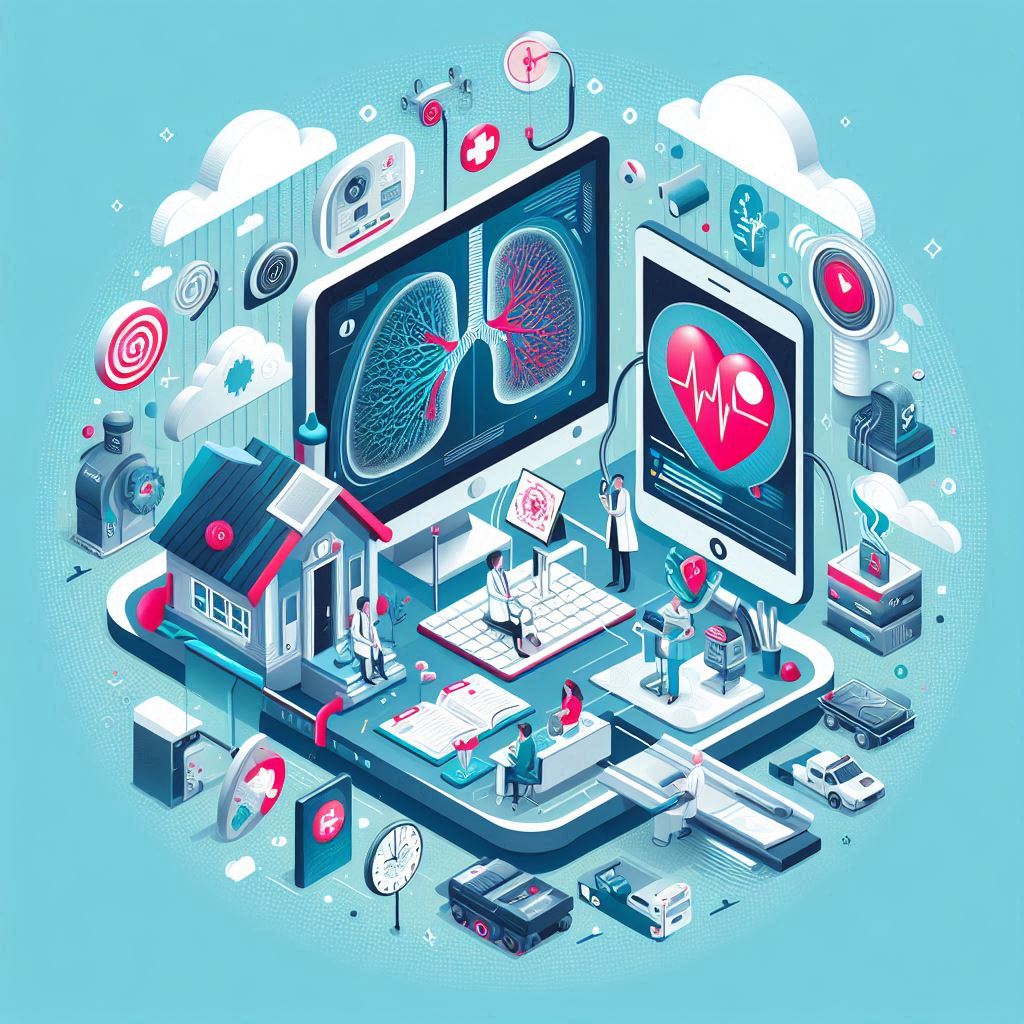
The rise of digital health tools has transformed how condition management programs are delivered. Mobile applications, wearable devices, and telehealth platforms allow for remote monitoring, making healthcare more accessible and efficient.
Patients can now track their vital signs, receive medication reminders, and consult healthcare professionals from the comfort of their homes. Artificial Intelligence (AI) is also being used to analyze health data, predict risks, and offer personalized recommendations, making condition management more proactive and effective.
The Growing Demand for Condition Management Programs
The prevalence of chronic diseases is increasing globally, driven by aging populations, sedentary lifestyles, and unhealthy diets. Healthcare providers, insurance companies, and employers are recognizing the importance of condition management programs to reduce healthcare costs and improve patient outcomes.
In countries like India, where healthcare resources may be limited in rural areas, technology-driven condition management programs are making quality care accessible to a larger population.
Conclusion
A condition management program is not just teleradiology services about treating illnesses; it’s about empowering individuals to live healthier, more fulfilling lives. By providing personalized care, education, and continuous support, these programs help prevent complications, improve treatment adherence, and enhance overall well-being. As healthcare systems continue to evolve, condition management will remain essential in addressing the growing burden of chronic diseases and building a healthier future for all.
 digitaldata
Leave a comment